
09 أكتوبر 2025
Is Your Australian Manufacturing Business Ready for the Future? Here’s How the $22.7B “Made in Australia” Plan Puts You in the Driver’s Seat
مدونات أسباير
Australia’s manufacturing sector is on the verge of a major transformation, fueled by a historic $22.7 billion investment under the “Future Made in Australia” plan. This isn’t just another government initiative—it’s a strategic reboot designed to put high-tech, high-skilled Australian businesses at the forefront of the global net-zero transition.
But for business leaders, the big question isn’t “what is the government doing?” but “what does this mean for my business, and how do I capitalise on it?”
What the “Future Made in Australia” Plan Means for Your Business

The plan is more than just a headline; it’s a new industrial policy that fundamentally shifts how Australian manufacturing is supported. Instead of relying on a “just-in-time” supply model, the government is incentivizing a “just-in-case” strategy to build sovereign capability and resilience.
Here’s how forward-thinking Australian manufacturers can translate this policy into actionable growth:
-
Access New Funding and Incentives:

- National Reconstruction Fund ($15B): This fund provides loans, guarantees, and equity to help commercial projects, particularly in value-adding resources and clean energy technology. Are you scaling up a new production line or innovating a new product? This could be your capital partner.
- Production Tax Incentives: New tax credits are on the table for key strategic areas like processing critical minerals ($7 billion) and producing renewable hydrogen ($6.7 billion). This direct support can dramatically improve the economics of investing in next-generation processing facilities.
- Targeted Grants: Programs like the Solar Sunshot ($1B) and Battery Breakthrough Initiative ($523M) provide targeted production incentives to boost local capacity in key clean energy technologies.
2. Optimize for the Net-Zero Transition:
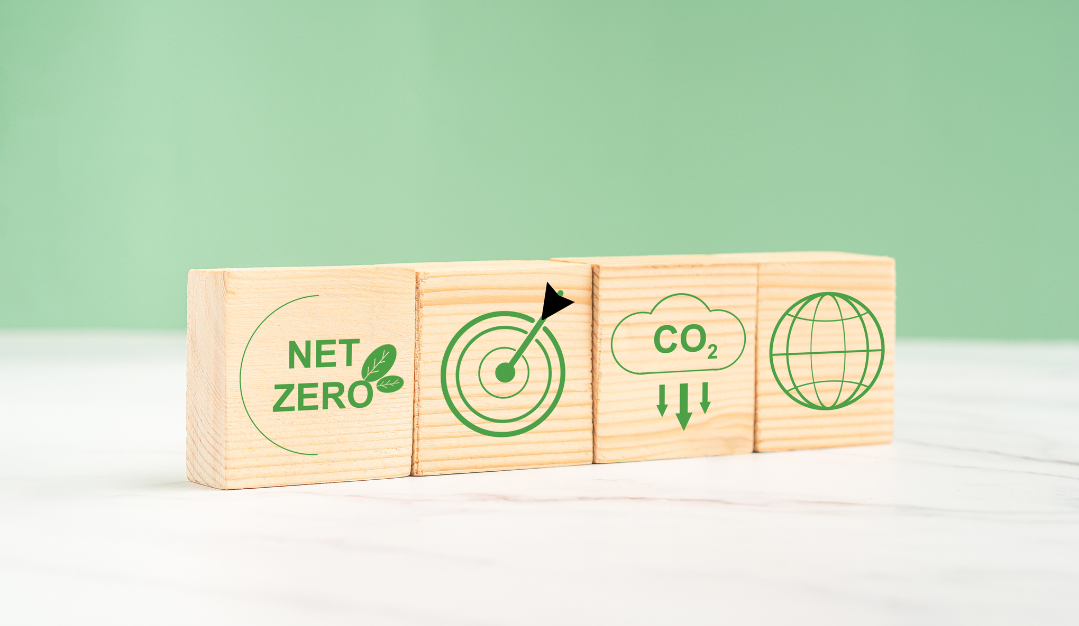
- The policy’s primary focus is accelerating Australia’s move to net zero. If your business is involved in renewable hydrogen, green metals (like low-carbon steel and aluminum), or clean energy technologies, you are perfectly aligned with the government’s strategic vision.
- This is the time to invest in electrifying your facilities and decarbonizing your operations, supported by new incentives and a clear national strategy.
3. Strengthen Your Supply Chains:
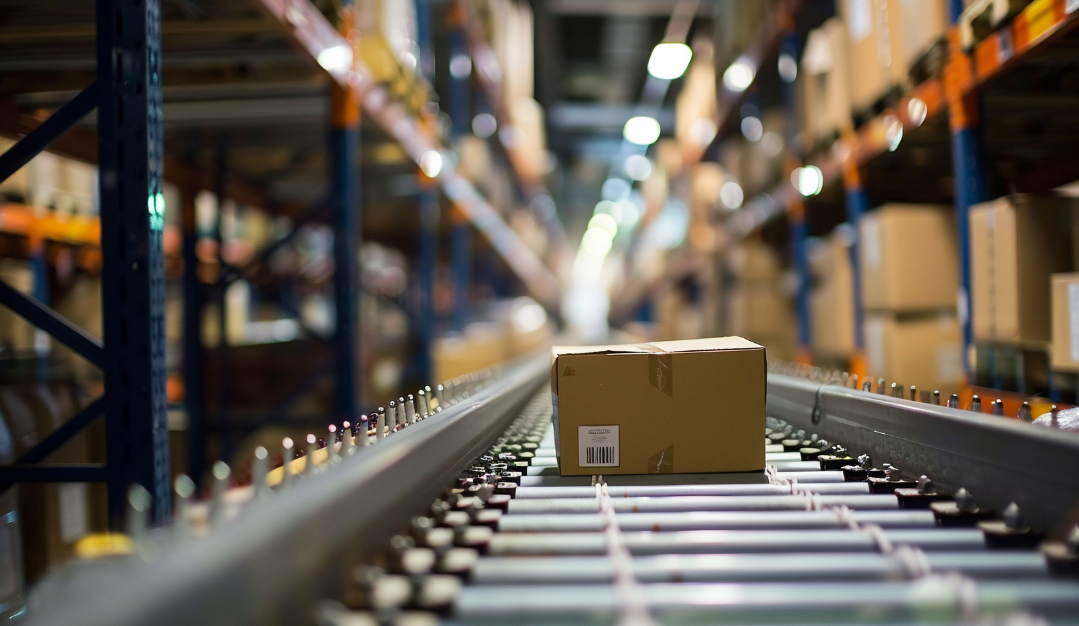
- The “economic security and resilience” stream of the National Interest Framework identifies sectors critical to Australia’s supply chain stability. For example, the COVID-19 pandemic revealed vulnerabilities in medical and personal protective equipment (PPE) supply chains, prompting a push for local production.
- Businesses that can offer a secure, domestic alternative to offshore manufacturing will be prioritized for government contracts and strategic partnerships.
Is your business a good fit for this new manufacturing landscape?
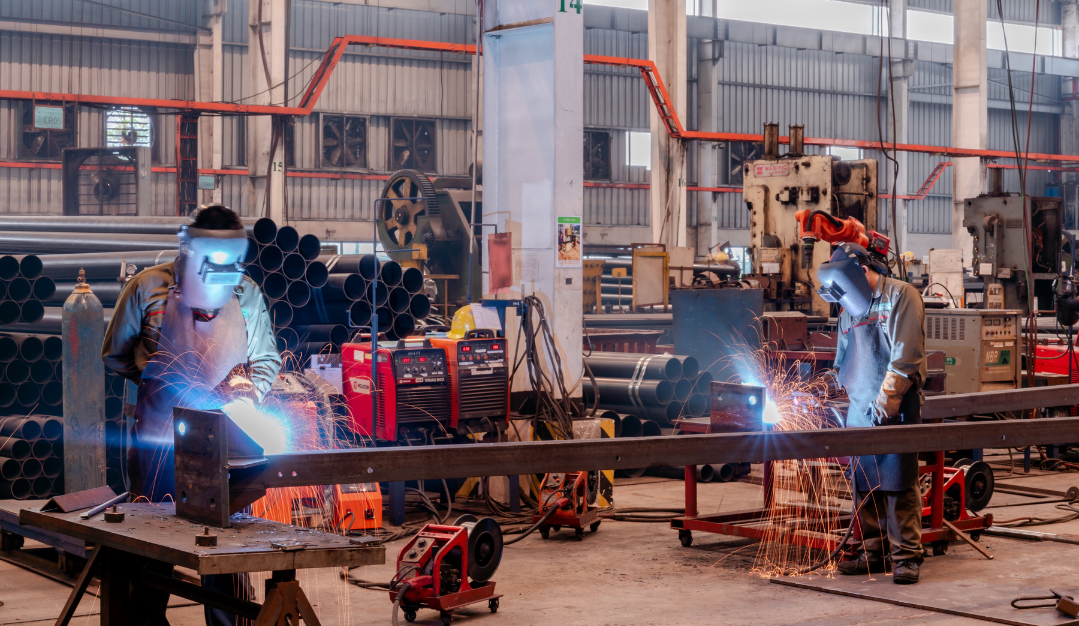
Ask yourself these questions:
- Are your operations aligned with the net-zero economy? The incentives are heavily weighted towards clean energy, renewables, and low-carbon tech.
- Do you operate in a high-growth, high-value-add sector? Areas like advanced manufacturing, critical minerals processing, and biomedical tech are key focus areas.
- Can you fill a critical gap in Australia’s sovereign capability? The government wants to onshore production in areas where supply chain disruptions pose a national risk.
Next Steps for Your Business

The opportunity is real, but the landscape is competitive. Waiting to act could mean missing out on a critical window of investment and growth.
- Educate your team: Keep your leadership and technical staff informed about these policy changes. Understanding the eligibility criteria is the first step.
- Assess your alignment: Review your business strategy and identify where it intersects with the “Future Made in Australia” plan’s priorities.
- Speak to an expert: The government is rolling out new legislation and initiatives, and navigating them can be complex. A strategic partner can help you identify relevant funding streams, optimize your projects, and streamline your applications.
The shift towards a stronger, more resilient manufacturing sector in Australia is underway. Is your business ready to build the future, here at home?
Sources:
-
Driving Advanced Manufacturing in Australia inquiry and report. Department of Industry, Science and Resources, November 27, 2024. https://www.industry.gov.au/publications/australian-government-response-driving-advanced-manufacturing-australia-inquiry-and-report
-
Future Made in Australia Plan – Policies. IEA, May 31, 2024. https://www.iea.org/policies/19734-future-made-in-australia-plan
-
National Reconstruction Fund (NRF) – Pattens Group. Pattens Group, July 24, 2025. https://pattens.com/grants/national-reconstruction-fund/
-
National Reconstruction Fund – GrantHelper. GrantHelper, April 04, 2025. https://granthelper.com.au/government-grant-news/national-reconstruction-fund/
-
Future Made in Australia – Hydrogen Production Tax Incentive. IEA, May 27, 2025. https://www.iea.org/policies/20162-future-made-in-australia-renewable-energy-superpower-hydrogen
-
Battery Breakthrough Initiative – Policies. IEA, September 09, 2024. https://www.iea.org/policies/21245-battery-breakthrough-initiative
-
A Future Made in Australia Fact Sheet. Budget Archive, 2024. https://archive.budget.gov.au/2024-25/factsheets/download/factsheet-fmia.pdf